Install Osx
Here's a step-by-step guide to performing a clean install of OS X El Capitan using a bootable USB drive.
Mac OS X comes with Python 2.7 out of the box.
You do not need to install or configure anything else to use Python 2. Theseinstructions document the installation of Python 3.
The version of Python that ships with OS X is great for learning, but it’s notgood for development. The version shipped with OS X may be out of date from theofficial current Python release,which is considered the stable production version.
Doing it Right
Let’s install a real version of Python.
Before installing Python, you’ll need to install GCC. GCC can be obtainedby downloading Xcode, the smallerCommand Line Tools (must have anApple account) or the even smaller OSX-GCC-Installerpackage.
Note
If you already have Xcode installed, do not install OSX-GCC-Installer.In combination, the software can cause issues that are difficult todiagnose.
Note
If you perform a fresh install of Xcode, you will also need to add thecommandline tools by running xcode-select--install on the terminal.
While OS X comes with a large number of Unix utilities, those familiar withLinux systems will notice one key component missing: a package manager.Homebrew fills this void.
To install Homebrew, open Terminal oryour favorite OS X terminal emulator and run
The script will explain what changes it will make and prompt you before theinstallation begins.Once you’ve installed Homebrew, insert the Homebrew directory at the topof your PATH environment variable. You can do this by adding the followingline at the bottom of your ~/.profile file
If you have OS X 10.12 (Sierra) or older use this line instead
Now, we can install Python 3:
This will take a minute or two.
Pip
Homebrew installs pip pointing to the Homebrew’d Python 3 for you.
Working with Python 3
At this point, you have the system Python 2.7 available, potentially theHomebrew version of Python 2 installed, and the Homebrewversion of Python 3 as well.
will launch the Homebrew-installed Python 3 interpreter.
will launch the Homebrew-installed Python 2 interpreter (if any).
will launch the Homebrew-installed Python 3 interpreter.
If the Homebrew version of Python 2 is installed then pip2 will point to Python 2.If the Homebrew version of Python 3 is installed then pip will point to Python 3.
The rest of the guide will assume that python references Python 3.
Pipenv & Virtual Environments
The next step is to install Pipenv, so you can install dependencies and manage virtual environments.
A Virtual Environment is a tool to keep the dependencies required by different projectsin separate places, by creating virtual Python environments for them. It solves the“Project X depends on version 1.x but, Project Y needs 4.x” dilemma, and keepsyour global site-packages directory clean and manageable.
For example, you can work on a project which requires Django 1.10 while alsomaintaining a project which requires Django 1.8.
So, onward! To the Pipenv & Virtual Environments docs!
This page is a remixed version of another guide,which is available under the same license.
Is it time to sell or give away your old Mac? Or do you just want a fresh start to clean up your machine? Here’s how to securely delete all of your files, then install a fresh version of macOS.
If you’re selling or giving away your computer, this is the only way to make sure whoever ends up with your Mac can’t access to your files, and won’t have to deal with any modifications you’ve made to macOS over the years. Don’t just delete your user profile and call it a day—you’ll want to completely wipe it.
Before you start, make sure you transfer any files you want to keep to a new computer or external drive. Farris relief valve sizing software. Even if you don’t intend on wiping your drive, it’s a good idea to back up before re-installing your operating system.
Step One: Boot From Recovery Mode, or an Installer
RELATED:8 Mac System Features You Can Access in Recovery Mode
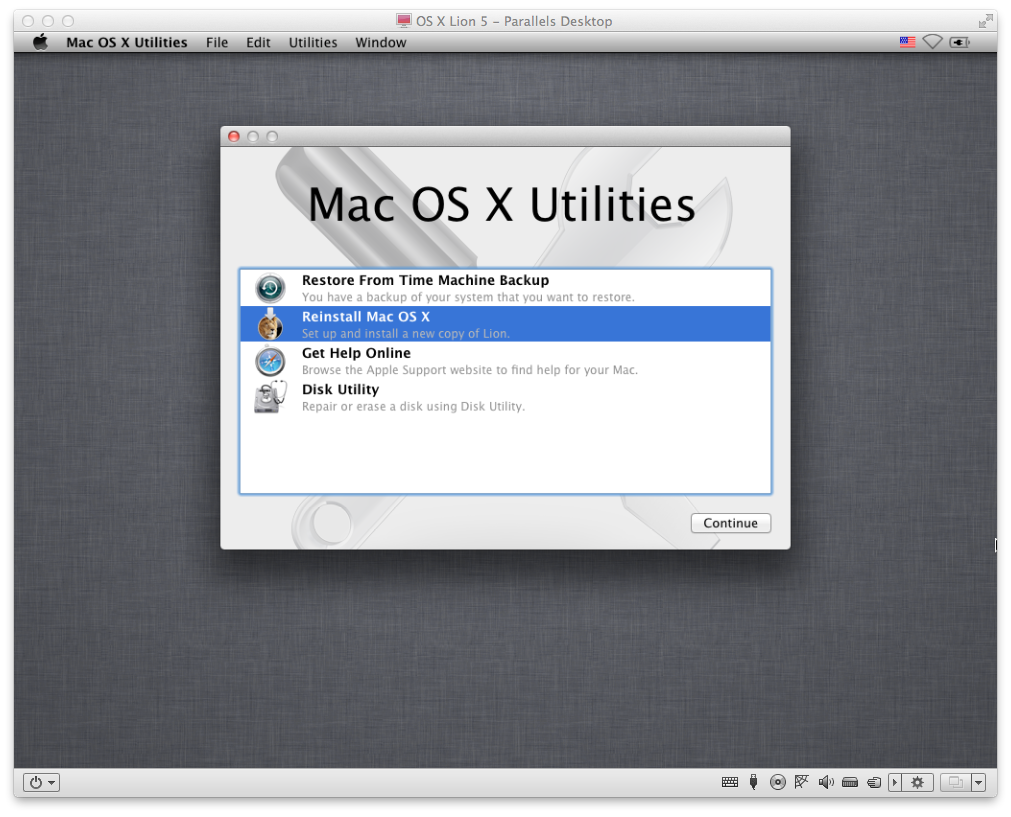
Your Mac’s Recovery Mode is a treasure trove of useful tools, and it’s the easiest way to wipe your computer and start from scratch. Shut down your Mac, turn it on while holding down Command+R. Your Mac will boot into the recovery partition.
If you’re using an older Mac (from 2010 or earlier), there’s a chance that you can’t use Recovery Mode. On those devices, hold “Option” while turning your computer on, then select the recovery partition instead.
If neither of these options work, don’t panic! You’ve got a couple of options yet. You can access recovery without a partition using Network Recovery: hold Command+Shift+R while turning on your Mac and it will download the Recovery features for you. Failing that, you can create a bootable USB installer for macOS Sierra, and boot from that by holding “Option” while turning on your Mac.
Once you’ve managed to open up the Recovery Mode in some fashion, we can move on to wiping your drive securely.
Step Two: Securely Wipe Your Hard Drive (Optional)
If you want to re-install your operating system, but leave your files in place, you can skip this step. Your user accounts and files will stay exactly where they are—only your operating system will be overwritten. We recommend backing up files before you do this, just in case, but otherwise you’re ready for step three.
If you want a truly clean installation, however, you need to first wipe your hard drive. We’ve shown you how to securely wipe a hard drive with your Mac, and doing so in Recovery Mode isn’t really different from doing so within macOS.
To get started, click the Disk Utility option.
Depending on how you started Recovery Mode, you may be presented with the option to start Disk Utility right away, as seen above. If not you can find Disk Utility in the menu bar: click Utilities then Disk Utility.
You’ll now see your list of hard drives. Click your primary drive, then click “Erase”
If you’re wiping a mechanical drive, click “Security Options” in the window that pops up. (If your Mac has a solid state drive, you can skip this part: your SSD will already securely erase files thanks to TRIM. You still need to wipe the drive, however, or your files will remain in place, so skip to the end of this step to do so.)
Now move the dial up, to randomly write data over your entire drive. You only need to write over a drive once to securely wipe it, but if you’re paranoid you can also wipe it three or five times.
RELATED:How to Wipe Your Mac and Reinstall macOS from Scratch
Click “OK” once you’ve decided, but remember: if your Mac has a solid state drive, you do not need to use these options. Just give your drive a name (I recommend “Macintosh HD”, just for consistency’s sake), then click “Erase” to start the overwriting process.
If you opted to wipe your drive securely, this might take a while—30 minutes to an hour is not unreasonable for one pass. If you choose three or five passes, you might want to leave this running overnight.
Step Three: Reinstall macOS
With your information wipe complete, you are now ready to reinstall macOS. If you booted from a functioning recovery partition, click the “Reinstall macOS” button. The installation process will begin.
If you booted from an USB disk, click “Continue” to advance to the installer.
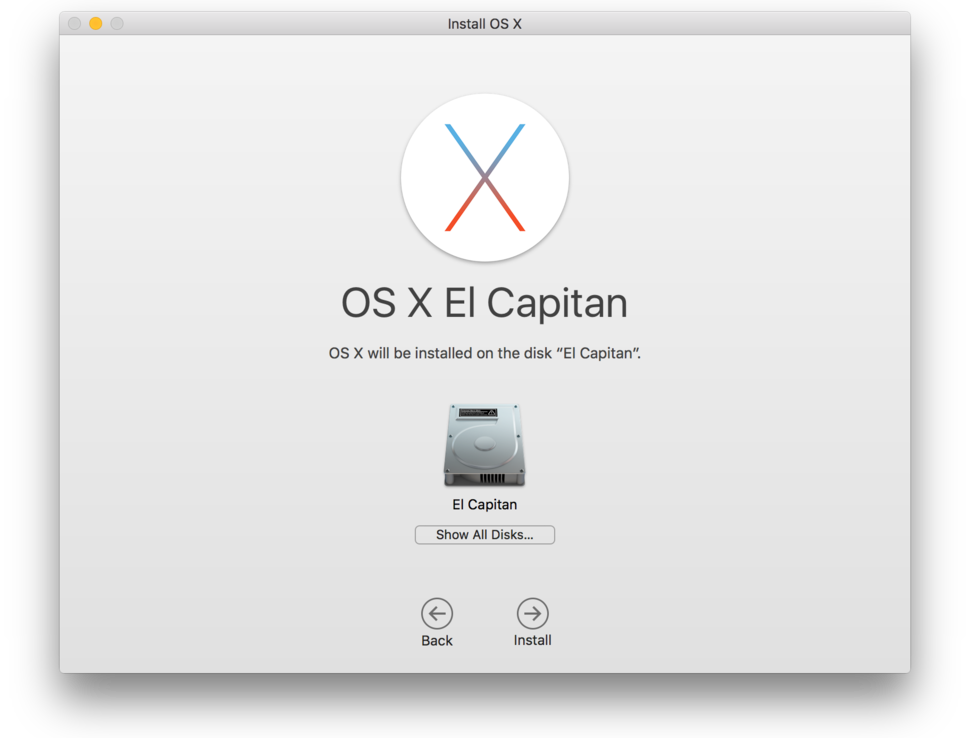
You’ll be asked which hard drive you want to install to. Choose the Macintosh HD you named earlier.
Just like that, macOS will begin installing.
This might take a while. Eventually your Mac will restart and ask you to create an account. If you’re giving your Mac away, or selling it, I recommend that you simply shut down at this point and let whoever you’re giving your Mac to create their own account. After all, it’s theirs now. Otherwise, enjoy your now-fresh Mac!
Install Os X
READ NEXTInstall Osx From Usb Drive
- › How to Create Desktop Shortcuts on Windows 10 the Easy Way
- › How iOS 13’s “Silence Unknown Callers” Will Stop Phone Spam
- › How to Organize Your Google Drive
- › What to Do Before (and After) Your Phone Is Stolen
- › The Tech Industry Wants to Kill the Password. Or Does It?